Changing cat litter regularly is crucial for maintaining a healthy environment for your feline friend. According to the American Association of Feline Practitioners, cats rely on their litter box for comfort and cleanliness. Neglecting to change litter can lead to unpleasant odors and health issues. So, how often should cat litter be changed? Many experts recommend at least once a week. However, this may differ based on the number of cats and the type of litter used.
Dirty litter can harbor bacteria. A study by the Journal of Feline Medicine and Surgery highlights that inadequate litter maintenance can lead to urinary tract infections in cats. Owners must be diligent about litter changes. Some cat parents may overlook this essential task, leading to a poor quality of life for their pets. The emotional and physical well-being of our cats often depends on our dedication to proper litter care.
Remember, a clean litter box not only helps your cat stay healthy, but it also enhances your home's overall cleanliness. Making litter management a priority reflects responsible pet ownership. Taking time to understand and implement good litter habits creates a happier, safer environment for both cats and their owners.
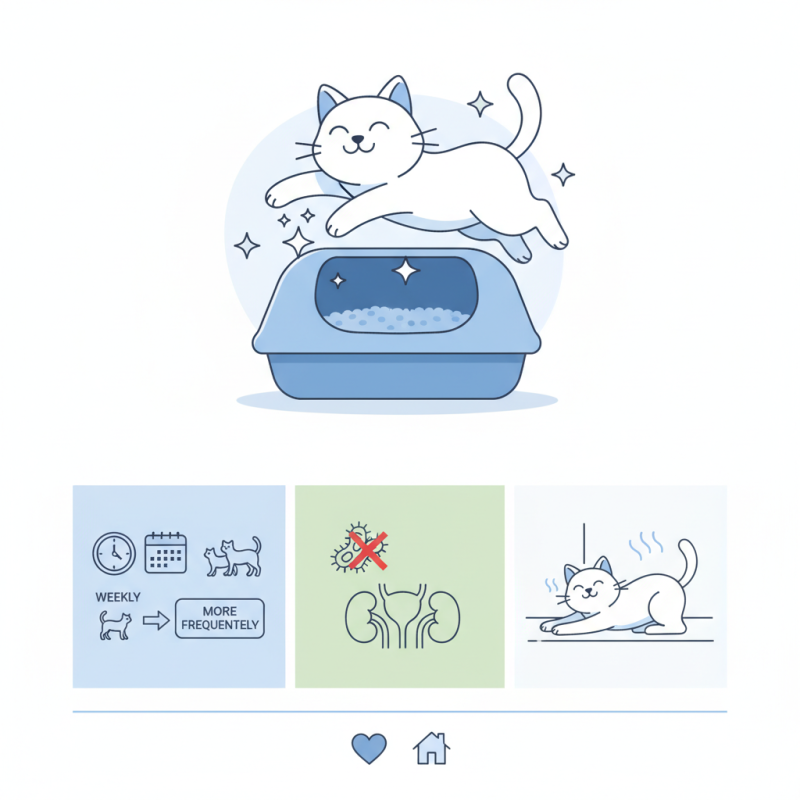
Understanding the basics of cat litter is crucial for every cat owner. Cat litter serves a specific purpose: it absorbs moisture and masks odors. This keeps a clean environment for both cats and their humans. Different types of litter exist, ranging from clay to natural materials. Each type has its own pros and cons, and some cats may prefer one over another.
Changing cat litter regularly is essential. It prevents unpleasant smells and health issues. Cats are sensitive creatures, and dirty litter boxes may deter them from using the box altogether. This can lead to accidents around the house. Observe your cat's behavior when using the litter box. A sudden change in habits may signal dissatisfaction with the litter quality or cleanliness.
Here are a few tips to keep in mind. Scoop the litter box daily to maintain hygiene. Consider changing the entire box once a week, or more often if you have multiple cats. Pay attention to your cat’s preferences for litter texture and scent. By being attentive and responsive, you can create a more pleasant experience for both of you, ensuring your cat remains happy and healthy.
This bar chart illustrates the impact of changing cat litter regularly on both odor control and health for cats. The data represents a hypothetical survey of cat owners regarding their experiences with different litter change frequencies.
Regularly changing cat litter is crucial for maintaining both your cat's health and your household hygiene. When litter is not replaced frequently, it can become a breeding ground for bacteria and parasites. These microorganisms can lead to infections and other health issues for your feline friend. Fresh litter absorbs moisture and odors better, creating a more pleasant environment for your cat.
Infrequent litter changes can also result in behavioral problems. Cats are sensitive animals. A dirty litter box may discourage them from using it, leading to inappropriate elimination around the house. This can be both a nuisance and a health risk, as it introduces waste into your living space.
Many cat owners overlook the signs of a neglected litter box. The smell is often the first indicator, but the impact on your cat's behavior can be subtle. If your cat is suddenly avoiding the litter, it might be worth considering if you are changing it often enough. The frequency of changes should ideally be based on how many cats you have. Keeping an eye on litter clumps can also help gauge when it’s time for a change. This attention to detail can make a significant difference in your pet's well-being.
The disposal of cat litter is a significant environmental concern. Traditional clay-based litters are made from non-renewable resources. According to a report by the U.S. Environmental Protection Agency, millions of tons of cat litter are sent to landfills each year. This not only contributes to landfill overflow but also leaches toxins into the soil and water. The sheer volume of waste generated by pet ownership highlights the need for better practices in litter disposal.
Tips: Consider using biodegradable litter options available in the market. These products are made from renewable materials and decompose naturally. Additionally, you can compost some types of cat litter, provided they are free from harmful chemicals. This reduces landfill impact and promotes sustainability.
The long-term effects of cat litter disposal on our planet warrant serious reflection. Many pet owners might not realize the significant footprint their choices create. A recent study indicates that changing litter regularly not only promotes pet health but also can minimize environmental harm. In essence, making informed decisions about cat litter can have lasting benefits. Through simple changes, pet owners can contribute to a greener planet without compromising their cat's well-being.
| Litter Type | Biodegradability | Average Lifespan in Landfill (Years) | Environmental Impact | Recommendation for Change Frequency |
|---|---|---|---|---|
| Clay Litter | Non-biodegradable | 500+ years | High environmental impact due to mining and disposal | Every week |
| Wood Pellets | Biodegradable | 5 years | Lower impact; can compost. | Every 1-2 weeks |
| Recycled Paper | Biodegradable | 3-6 months | Very low impact; sustainable. | Every 1-2 weeks |
| Corn-Based Litter | Biodegradable | 6 months | Moderate impact; renewable resources used. | Every week |
Choosing the right type of litter can significantly impact your cat’s health and your home’s cleanliness. Various types of cat litter exist, from clay to natural options. Each type has its pros and cons. Clumping clay litter is popular for its ease of cleaning. However, it can create dust that some cats may be sensitive to.
Natural litters, made from materials like wood or corn, are more environmentally friendly. They’re less likely to trigger allergies. However, some of these options may not control odor as effectively. Observing your cat’s behavior is key.
Some cats prefer certain textures, while others might avoid litter that feels uncomfortable. It’s worthwhile to experiment with different types. Monitor how your cat reacts to each option. Over time, you may discover that what works for one cat may not work for another. This process of trial and reflection can lead to better litter maintenance and a happier pet.
Regularly changing the litter, regardless of the type, remains essential for both health and hygiene.
Changing cat litter regularly is crucial for your cat's health and happiness. A clean litter box helps prevent urinary tract infections and other health issues. When you neglect to change the litter, odor builds up, which can drive your cat away from using the box. Cats are sensitive creatures; their environment affects their well-being.
Best practices for maintaining a clean litter box include scooping daily. This simple action can significantly reduce unwanted smells. Aim to change the litter completely at least once a week. Use warm water and mild soap to clean the box, ensuring it’s free from any residues. Some owners find it helpful to set reminders for these tasks, but it’s easy to forget.
Don’t rush the process. Observe your cat’s behavior. An unwillingness to use the litter box might signal an issue. We often overlook these signs in our busy lives. Make changes gradually, allowing your cat to adapt. A little patience can go a long way in maintaining a clean and inviting space for your cat.
: Regular litter changes maintain your cat's health and hygiene at home.
Infrequent changes lead to bacteria growth, resulting in infections and other health issues for your cat.
A dirty box may discourage your cat from using it, leading to inappropriate elimination around the house.
Smells and your cat avoiding the box are key indicators of a neglected litter box.
Ideally, change the litter completely at least once a week, depending on how many cats you have.
Scoop the litter daily to reduce odors and keep the box clean.
Use warm water and mild soap to clean the litter box, making sure to remove all residues.
Consider setting reminders to help you remember routine litter maintenance tasks.
If your cat avoids the box, observe their behavior; it may indicate an issue with the litter or box itself.
Don't rush the process; gradual changes help your cat adapt better to a clean litter box.
Changing cat litter regularly is crucial for ensuring the health and well-being of both cats and their owners. Understanding the purpose of cat litter highlights its role in odor control and maintaining a clean environment for the pet. Infrequent changes can lead to health issues for cats, such as urinary tract infections or behavioral problems due to the unsanitary conditions. Therefore, owners often wonder how often should cat litter be changed to prevent these risks.
In addition to health implications, the environmental impact of cat litter disposal practices also needs consideration. Choosing the right type of litter can facilitate better maintenance and reduce waste. Implementing best practices for regular litter changes not only supports a healthier living space for pets but also contributes positively to the environment. By establishing a consistent cleaning routine, cat owners can ensure a balanced and harmonious household.

Purr Pet